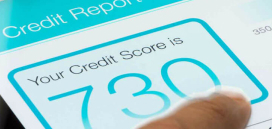
Store credit cards aren’t bad by default, but they’re expensive if you carry a balance. Opening one adds a hard inquiry and a new account, and the low credit limit means a few holiday purchases can push your utilization high.
That “save 20% today” offer at the register is tempting, especially on Black Friday. The discount is real. So are the interest rate, the credit check and the new account on your report.
This guide explains what a store card is, how it affects your credit, what the discount is really worth and when a store card can make sense.
Key takeaways
- Applying for a store card is usually a hard inquiry, which myFICO says affects FICO Scores for one year.
- Store cards tend to have low limits, so a single big purchase can raise your credit utilization.
- In December 2024, private label store cards from top retailers averaged a 32.66% APR, according to the CFPB.
- The checkout discount is only worth it if you pay the balance in full.
- Paid on time and reported to the bureaus, a store card can help build credit.
What Is a Store Credit Card?
A store credit card is a credit card tied to one retailer. The Consumer Financial Protection Bureau (CFPB) splits retail cards into two types in its December 2024 report on the high cost of retail credit cards.
| Type | Where you can use it |
|---|---|
| Private label store card | Only at one store, or a few retailers under the same brand or parent company |
| Co-branded store card | At a wide variety of merchants, since it runs on a payment network and carries the store’s branding |
So can you use a store credit card at other stores? Only if it’s a co-branded card that runs on a network like Visa or Mastercard. A private label card works only where the store says it does.
These cards are common. The CFPB says private label cards make up one in four credit card accounts, about 161 million accounts in 2024. The top reason people open one is a discount or promotion on a specific purchase.
Do Store Credit Cards Hurt Your Credit Score?
Opening a store credit card can lower your score a little for a short time. The bigger risks come later: a high balance on a low limit, or a missed payment. Here’s what happens when you say yes at the register.
| What changes | How it can affect your score |
|---|---|
| Hard inquiry | A small, short-term dip. It counts toward FICO Scores for one year. |
| New account | Lowers the average age of your accounts. Several new accounts at once look riskier to lenders. |
| Credit utilization | A low limit doesn’t take much to fill. A high balance on that card can lower your score until you pay it down. |
| Payment history | On-time payments help. A missed payment hurts the most, since payment history is the biggest part of a FICO Score. |
Are store credit cards a hard pull? Usually, yes. Applying for credit is a hard inquiry. myFICO says hard inquiries stay on your report for up to two years but only affect FICO Scores for one. For most people, one more inquiry takes less than five points off.
New credit as a whole is about 10% of a FICO Score, according to myFICO. Payment history is 35% and amounts owed is 30%. That’s why paying on time and keeping the balance low matter far more than the inquiry itself.
The utilization piece is where store cards catch people. If your limit is $500 and you put $400 of gifts on it, that card is 80% used. Our guide to credit utilization explains how that ratio works on each card and overall.
After you open a card, check your credit reports to make sure the new account, its limit and the inquiry show up correctly. You can request free reports and look for an inquiry you don’t recognize. Our guide on hard inquiries on your credit report explains which ones can be disputed.
If you find an error, you can dispute it with the credit bureau for free, using the steps in how to dispute items on your credit report.
If you’d rather have help reviewing all three reports and following up on each dispute, a credit repair company can do that work with you. To see what’s on your reports, start a free credit review.
What Are the Downsides of a Store Credit Card?
The main downsides are high interest, low limits and promotions that can backfire. The CFPB’s 2024 report found several patterns that make store cards costlier than general credit cards.
- High APRs. In December 2024, private label cards from top retailers averaged a 32.66% APR. Over 90% of retail cards had a maximum purchase APR above 30%, compared with 38% of general purpose cards outside retail.
- Low limits. Experian says to expect a lower credit limit with a store card, which makes high utilization more likely.
- Deferred interest. Some “no interest if paid in full” offers charge interest back to the purchase date if any of the promo balance is left at the end. The CFPB cites an earlier finding that about one fifth of deferred interest promo balances ended in retroactive interest charges.
- Late fees. Private label accounts were 33% of account volume but 46% of late fee volume, per the CFPB.
- Carrying a balance. The CFPB found private label cardholders are more likely to carry a balance and pay only the minimum due.
None of that makes a store card bad on its own. It means the card works against you the moment you carry a balance.
Is the Checkout Discount Worth It?
The discount is worth it only if you pay the full balance before interest kicks in. Here’s an illustrative example using the CFPB’s December 2024 average APR. Your card’s terms will differ.
- You buy $500 of gifts and get 20% off, so you save $100 and owe $400.
- At a 32.66% APR, that’s about 2.7% a month, or roughly $11 in interest the first month.
- Carry the full $400 with no payments for about nine months, and the interest adds up to roughly the $100 you saved.
- Pay it in full on the first statement, and you keep the whole $100.
Before you sign up, ask the cashier or read the offer for three things: the APR, whether the promo is deferred interest and the credit limit. If the answers make you hesitate, you can say no and still buy the item.
Can a Store Credit Card Help Build Credit?
Yes, a store card can help build credit if the issuer reports to the credit bureaus and you pay on time every month. Experian says store cards may be easier to get approved for if you have bad or limited credit.
Check reporting first. Experian notes that some issuers report to only one or two bureaus, or none. Ask the issuer, or read the card’s terms, before you count on it to build your history.
To build credit with a store card, use it for a small purchase you’d make anyway, keep the balance well below the limit and set up autopay for at least the minimum.
A secured credit card is another option that works anywhere the network is accepted. For timing, see how long it takes to build credit.
When Is a Store Card Worth It?
A store card is worth it when you’ll pay it in full and it fits how you already shop. It usually isn’t worth it for a one-time discount at a store you rarely visit. Ask yourself:
- Will I pay the full balance every month?
- Do I shop at this store often enough to use the rewards?
- Is this a true 0% promo, or deferred interest?
- Am I planning to apply for a mortgage or car loan soon? If so, a new inquiry and account may not be worth it.
- Have I already opened other new cards this season?
If you answered “no” to the first question, the discount is likely to cost you more than it saves.
Should You Close a Store Card After the Holidays?
Usually not, if the card has no annual fee and you can leave it unused. Closing a card removes its limit from your total available credit, which can raise your overall utilization.
If the card tempts you to overspend, putting it away can be a better choice than closing it. Our guide on whether closing a credit card hurts your credit covers the trade-offs.


Store Credit Card FAQs
Usually, yes. Applying for a store card is an application for credit, which is a hard inquiry. myFICO says it stays on your report for up to two years and affects FICO Scores for one year.
Only if it’s a co-branded card on a payment network like Visa or Mastercard. A private label store card works only at that store or its related brands, according to the CFPB.
Not always. Experian says some issuers report to only one or two bureaus, or none. Ask the issuer before you apply if building credit is your goal.
It can be. myFICO says opening several new accounts in a short time represents greater risk. Each one also adds a hard inquiry and lowers the average age of your accounts.
It’s a promo where interest builds from the purchase date. If any of the promo balance is left at the end, the CFPB says the lender charges that interest retroactively.
Bottom Line on Store Credit Cards
Store credit cards aren’t bad on their own, but they’re costly if you carry a balance. Opening one adds a hard inquiry and a new account, and a low limit can push your utilization up during holiday shopping.
If you’ll pay the full balance each month, the discount can be worth it. If you won’t, the interest will likely cost more than you saved.

Ashley Davison
EditorAshley is currently the Chief Compliance Officer for Credit Saint, previously the Chief Operating Officer. Ashley got into the Financial world by working as a Logistics Coordinator at Ernst & Young. Coming from a previous career in education, she is eager to teach the world everything she knows and learn everything that she doesn’t! Ashley is a FICO® certified professional, a Board Certified Credit Consultant, a Certified Credit Score Consultant with the Credit Consultants Association of America, UDAAP certified, and holds a Fair Credit Reporting Act (FCRA) Compliance Certificate.